History and Significance of Birthstones
Birthstones have captivated people for centuries, offering a unique blend of beauty, mythology, and personal significance. Each month is associated with a specific gemstone, believed to bring good luck, health, and protection to those born under its influence. Understanding the history and significance of birthstones can enhance our appreciation for these precious gems.
The Origins of Birthstones
The concept of birthstones dates back to ancient times, with roots in biblical history. The idea is often traced to the Breastplate of Aaron, described in the Book of Exodus. This religious garment was adorned with twelve gemstones, each representing one of the twelve tribes of Israel. Over time, these twelve stones became associated with the twelve months of the year and the twelve signs of the zodiac.In the first century AD, the historian Flavius Josephus and the scholar St. Jerome both suggested a link between the twelve stones on the breastplate and the months of the year or the signs of the zodiac. This connection evolved over centuries, with people wearing a different stone each month for good fortune. By the 18th century, the tradition of wearing a gemstone associated with one's birth month had solidified.The Modern Birthstone List
The modern list of birthstones was established in 1912 by the American National Retail Jewelers Association (now known as Jewelers of America). This list standardized the stones associated with each month, making it easier for people to identify and purchase their birthstone. The list has been updated occasionally to reflect new gemstone discoveries and preferences.Birthstones and Their Significance
Each birthstone carries its own set of beliefs and meanings, often rooted in ancient lore and cultural traditions.- January - Garnet: Garnet is believed to bring protection and prosperity. It symbolizes deep love and is thought to have healing properties, particularly for blood-related issues.
- February - Amethyst: Amethyst represents peace, courage, and stability. This purple gemstone is said to provide clarity and calm, helping to relieve stress and anxiety.
- March - Aquamarine: Aquamarine is associated with tranquility, courage, and clarity. It is believed to protect sailors and ensure safe travel across water.
- April - Diamond: Diamonds symbolize eternal love and strength. They are considered the ultimate symbol of commitment and are thought to bring balance and clarity to relationships.
- May - Emerald: Emeralds signify rebirth and renewal. They are associated with fertility, growth, and wisdom, and are believed to bring good fortune and youth.
- June - Pearl: Pearls represent purity, wisdom, and innocence. They are believed to bring emotional balance and calm, fostering nurturing and affectionate energy.
- July - Ruby: Rubies symbolize passion, protection, and prosperity. They are thought to bring vitality and confidence, enhancing one's personal power and courage.
- August - Peridot: Peridot is associated with strength, protection, and good health. It is believed to ward off negativity and bring abundance and happiness.
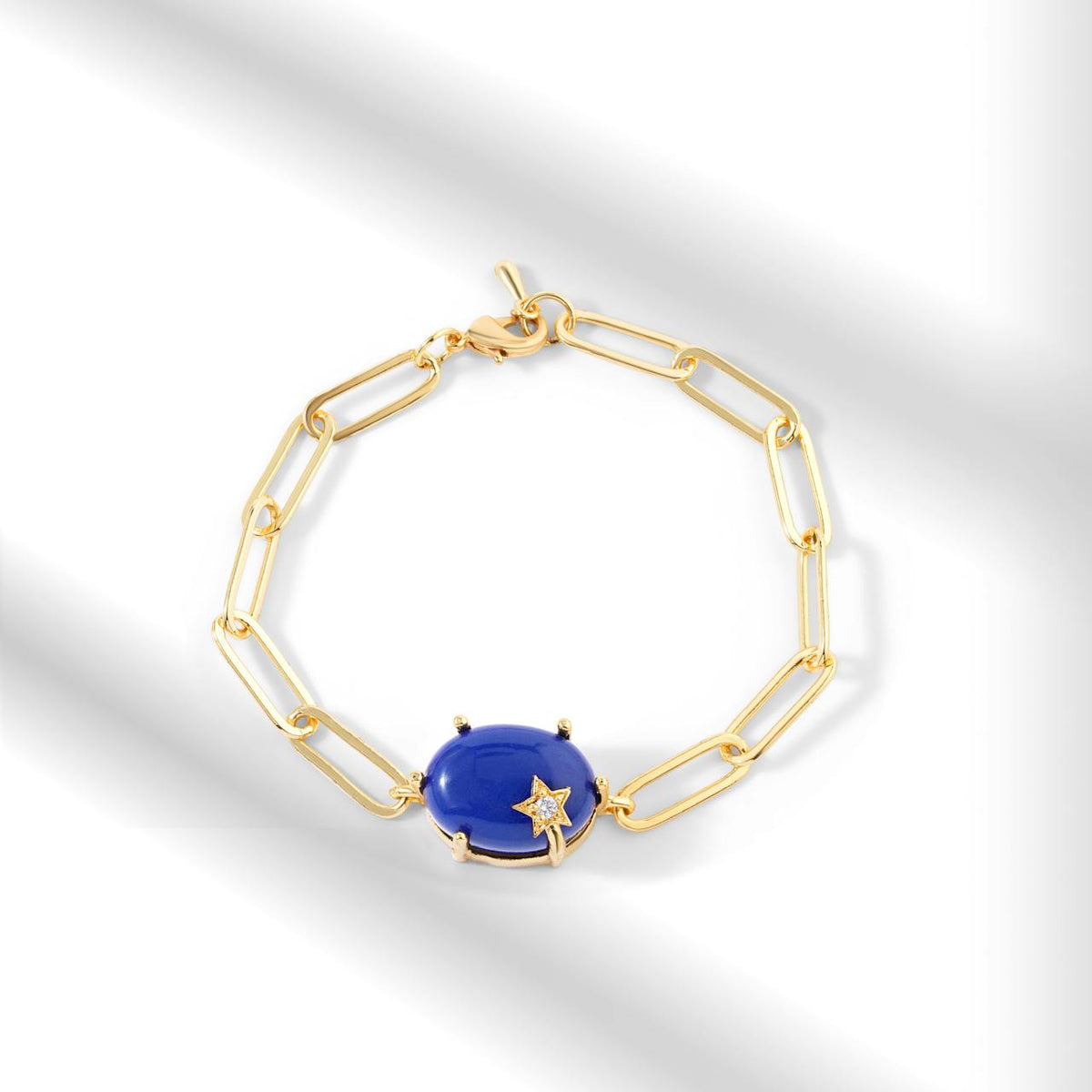
- September - Sapphire: Sapphires represent wisdom, loyalty, and nobility. They are thought to bring protection and spiritual insight, fostering clarity and focus.
- October - Opal: Opals symbolize hope, creativity, and innocence. They are believed to enhance imagination and intuition, offering inspiration and emotional balance.
- November - Topaz: Topaz signifies strength, healing, and abundance. It is thought to bring warmth and joy, promoting good health and positive energy.
- December - Turquoise: Turquoise is associated with protection, wisdom, and good fortune. It is believed to bring peace and balance, fostering communication and self-expression.